
Clearview AI
Led product and engineering for Clearview's core facial-recognition platform — investigative and mobile field-identification workflows used by law enforcement.
- My role
- Director of Product Management
- Tenure
- Jan 2022 – Aug 2024 · New York, NY (Remote)
- Categories
- AI Agents & Assistants · Product Development & Scale
Outcome
65% year-over-year customer growth, feature adoption above 50%, and more than $100K in machine-learning infrastructure savings.
Business context
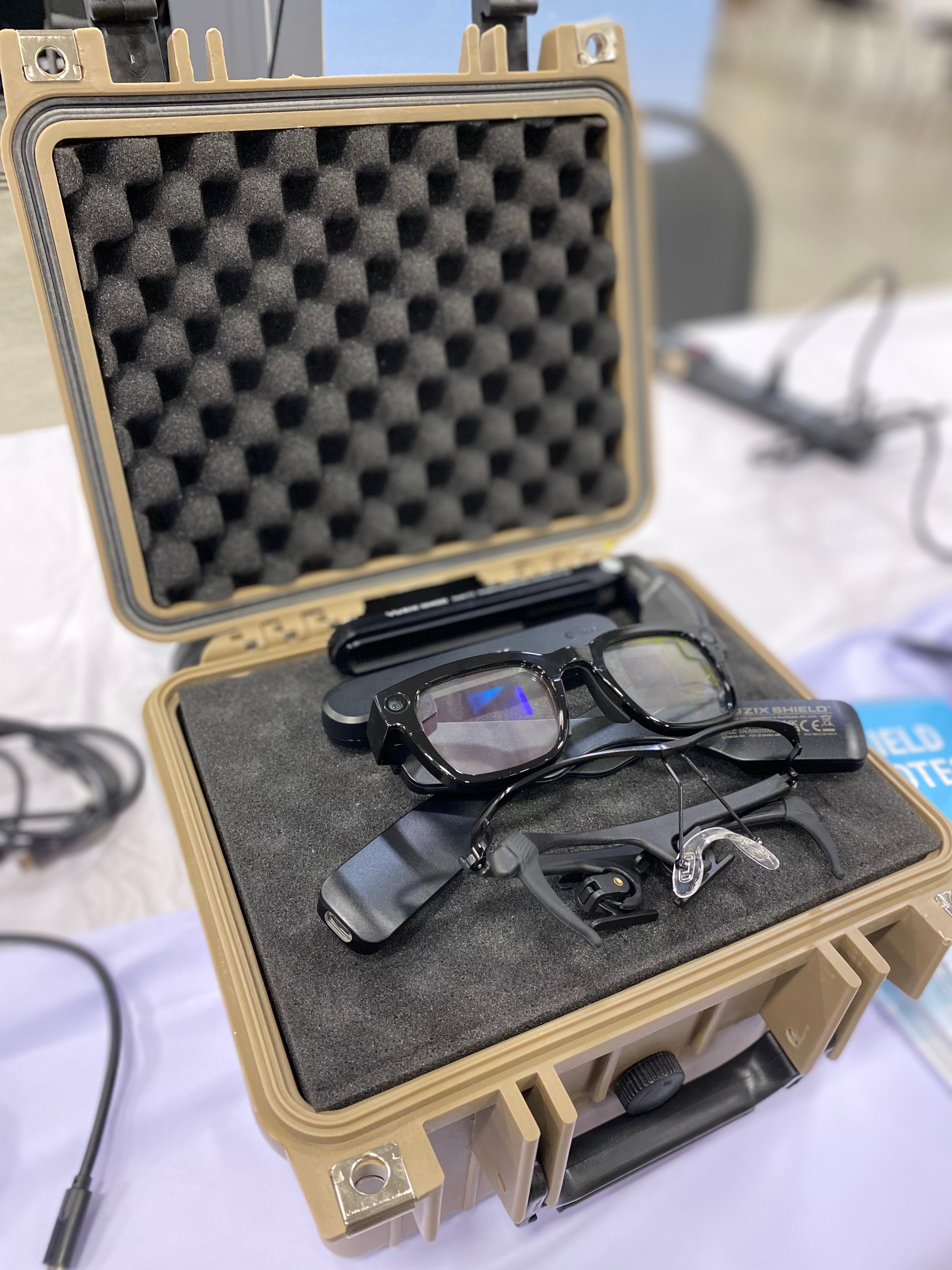
Clearview AI provides a facial-recognition search platform to law-enforcement and government agencies. Investigators use it to generate leads from imagery, and field teams use mobile identification in time-sensitive situations — including deployment in Ukraine.
The challenge
The platform needed a clear product operating model, a roadmap grounded in investigator needs, and release and go-to-market practices that could keep pace with growth. Algorithm accuracy, search performance, and the breadth of searchable imagery all had to improve together.
My role
As Director of Product Management, I built and led the product and engineering organization and operating model, and owned the vision, roadmap, and execution for the core platform.
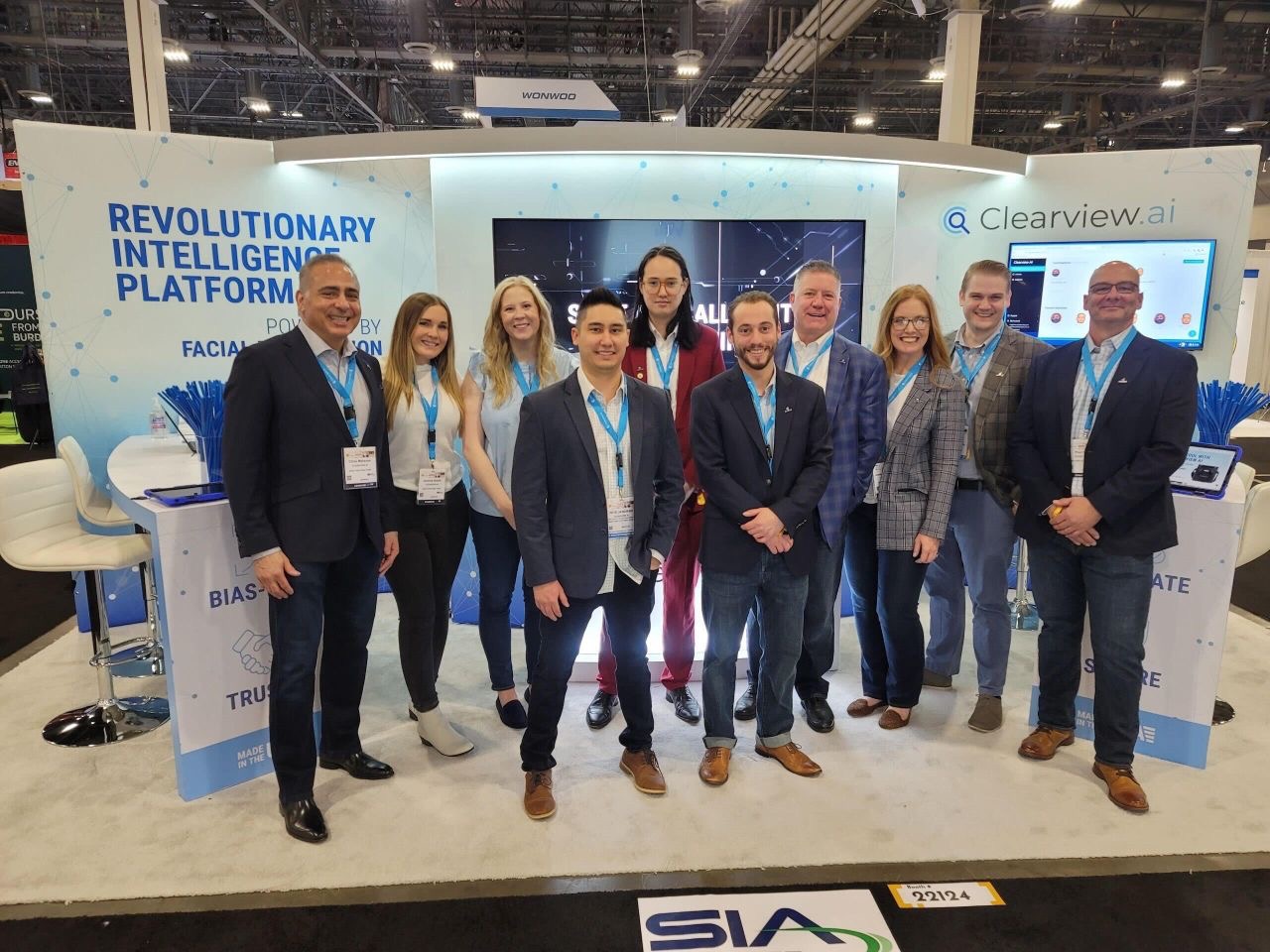
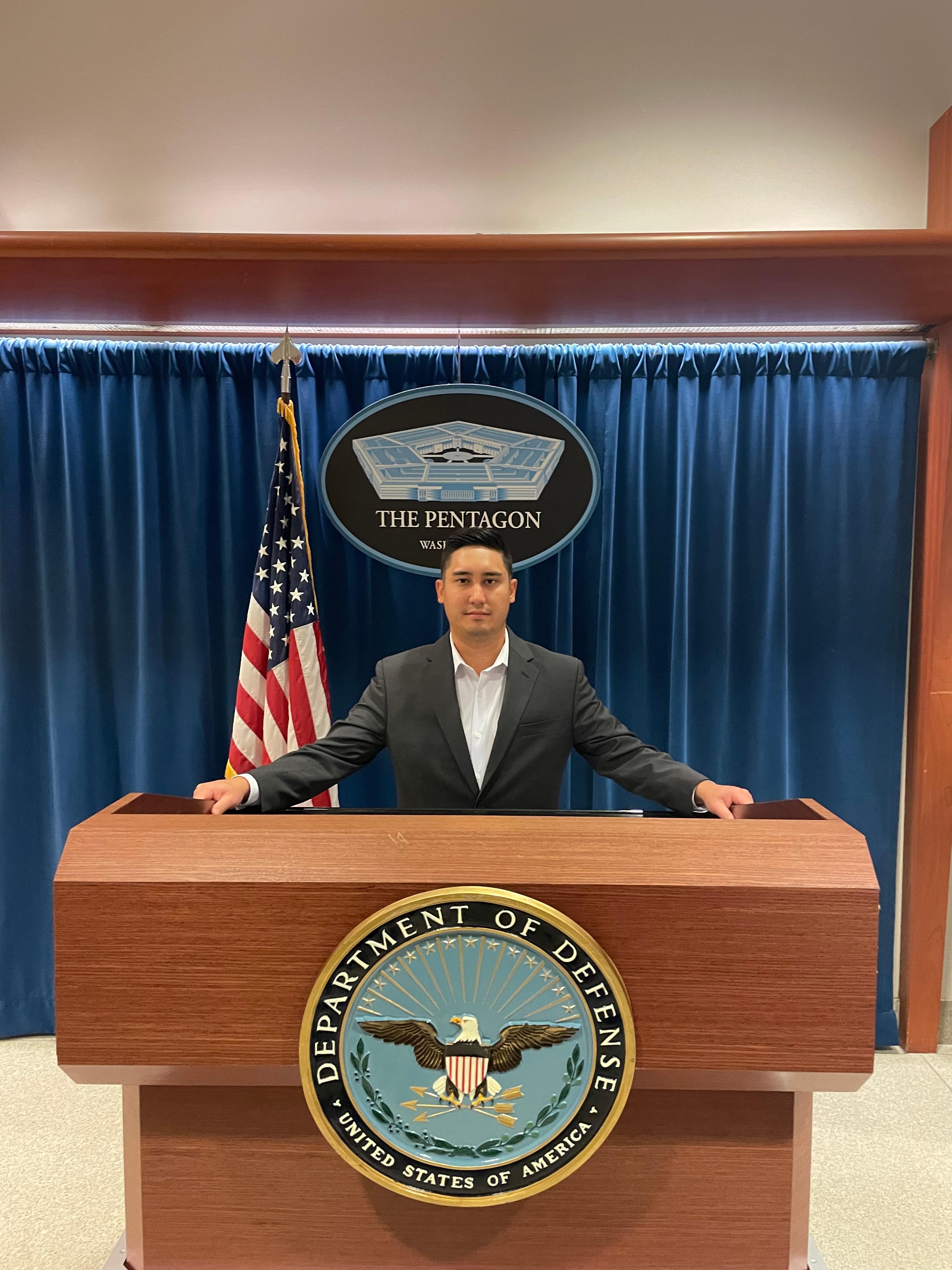
I became a product subject-matter expert through direct customer discovery, conferences, and speaking engagements.
What changed
Law-enforcement needs were translated into investigative and mobile field-identification workflows. I partnered with machine-learning engineers on algorithm improvements, vector storage and search, and evaluation — helping deliver top-tier performance in NIST facial-recognition testing.
I owned the global public-web data acquisition strategy and source coverage, improving the breadth, depth, and availability of searchable imagery.
Results
Launched Clearview's first developer API program and rebuilt release and go-to-market practices, contributing to 65% year-over-year customer growth, feature adoption above 50%, and more than $100K in machine-learning infrastructure savings.
From a hidden add-on to a patrol tool officers use every week
Clearview Mobile was an add-on existing desktop customers could buy. Adoption was close to zero, and nobody could say who was using it or for what. The search itself worked. Getting to it did not. The app was sideloaded outside the app stores, it needed a special activation key linked to the desktop account, and agency-managed phones often blocked the install entirely. Trials ended before officers ever saw a result, so they never saw the value.
I started by finding out who the product was for. With Pendo on both the desktop and mobile apps, I tracked which trial users activated, how often they searched, and in what context. The users who stayed were patrol officers doing in-field identification during a stop, not investigators at a desk. That became the target audience and the core use case, and I rebuilt the journey around it: mapped as four stages, each with its own metric, and a roadmap ranked by where agencies and officers were dropping off.
The journey, stage by stage
Each stage pairs what was broken with the redesigned screen and the metric used to measure it. Screens are built on Clearview's existing blue, black sidebar, and mobile layouts. Names and figures are stand-in data.
Does an existing customer know mobile exists, and who it is for?
- Visitor-to-trial
The scorecard
Each stage has its own metric, and each metric answers one question. Because mobile was an add-on, the scorecard tracked both the agency that buys and the officer who uses it.
- Visitor-to-trial Shop
- Share of desktop admins who see the mobile offer and start a trial.
- Trial-to-paid Buy
- Did officers search enough during the trial for the agency to buy?
- Activation rate Onboard
- Share of invited officers who install, sign in, and run a search.
- Time-to-first-value Onboard
- Time from seat assigned to the first in-field search.
- PQL volume & conversion Configure
- Trial agencies whose officers search from the field every week, and how many convert.
- Attach rate Configure
- Share of desktop customers that add mobile seats.
- Expansion revenue Buy
- Revenue from agencies adding shifts, officers, or devices.
- Churn Buy
- Mobile seats cancelled at renewal, separated by cause.
Reprioritizing the roadmap
Pendo tagged every step from the desktop offer to the first mobile search, and linked each officer back to their agency account. Funnels showed where installs failed, and usage data showed how often trial officers searched and when, which is how the patrol use case surfaced.
The roadmap was re-ranked by how much of the funnel each item recovered. Ending sideloading moved to the top, ahead of new mobile features, because no feature mattered while officers could not install the app. Trial agencies with steady weekly field searches were flagged as product-qualified leads for the account team.

Desktop and mobile analytics, funnels, usage by account, and PQL signals
Roadmap after the reset, in priority order
- 01App Store, Google Play, and MDM distribution instead of sideloadingOnboardActivation rate
- 02Seats tied to desktop accounts, no activation keysConfigureTime-to-first-value
- 03Snoozable intake form with prefilled notesOnboardTrial-to-paid
- 04In-app mobile trial for patrol, offered from desktopShopVisitor-to-trial
- 05Card or PO checkout with prorated seat changesBuyExpansion revenue · Churn
- 06PQL alerts to account teams from trial search activityConfigurePQL volume · Attach rate
Scope
- Customer growth
- 65% YoY
- Feature adoption
- 50%+
- ML infra savings
- $100K+
Screens
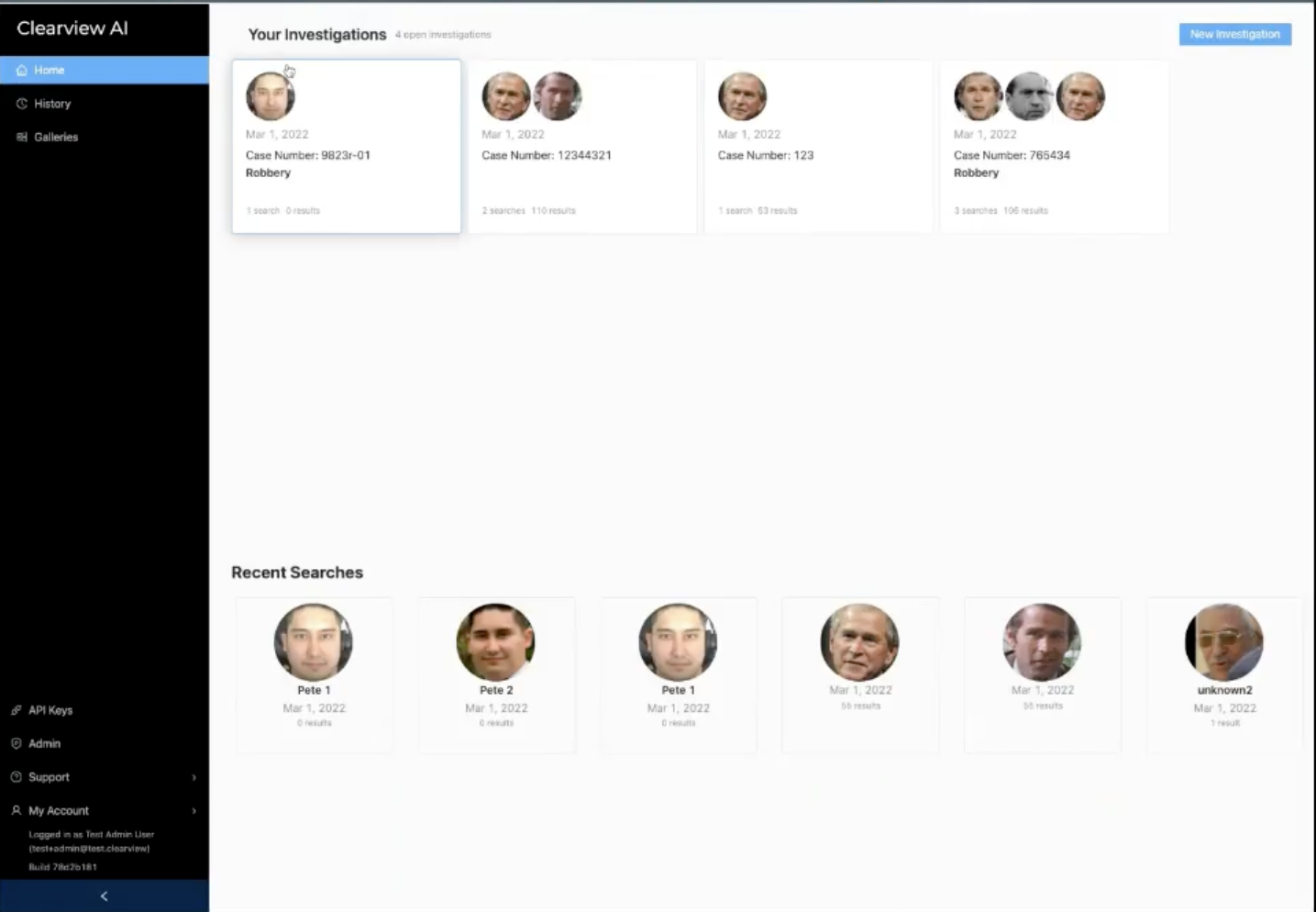
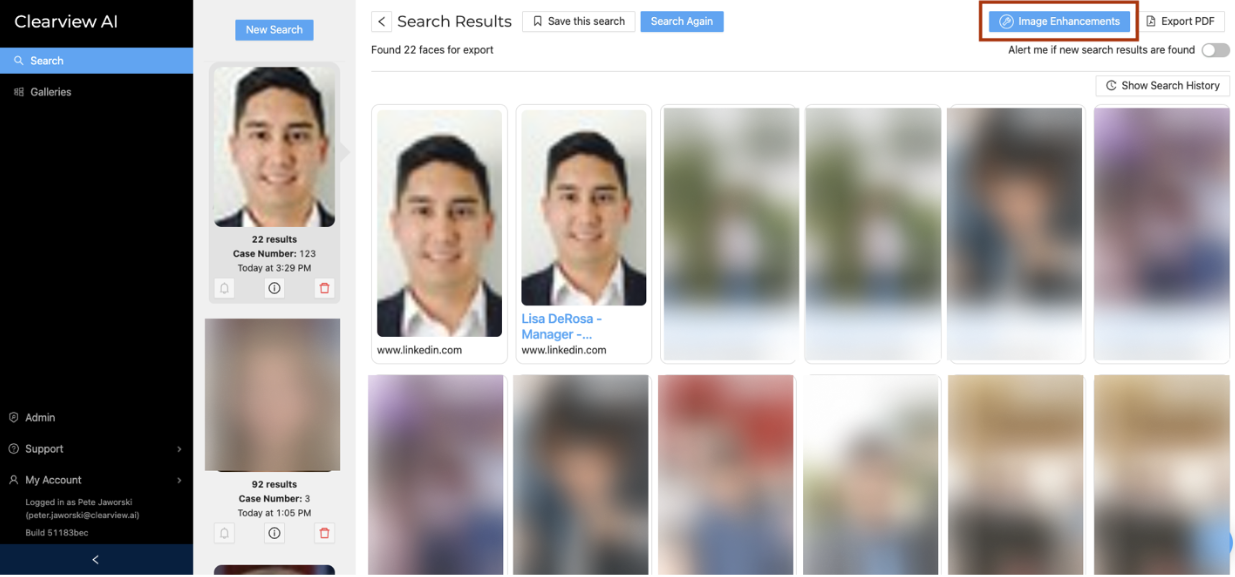
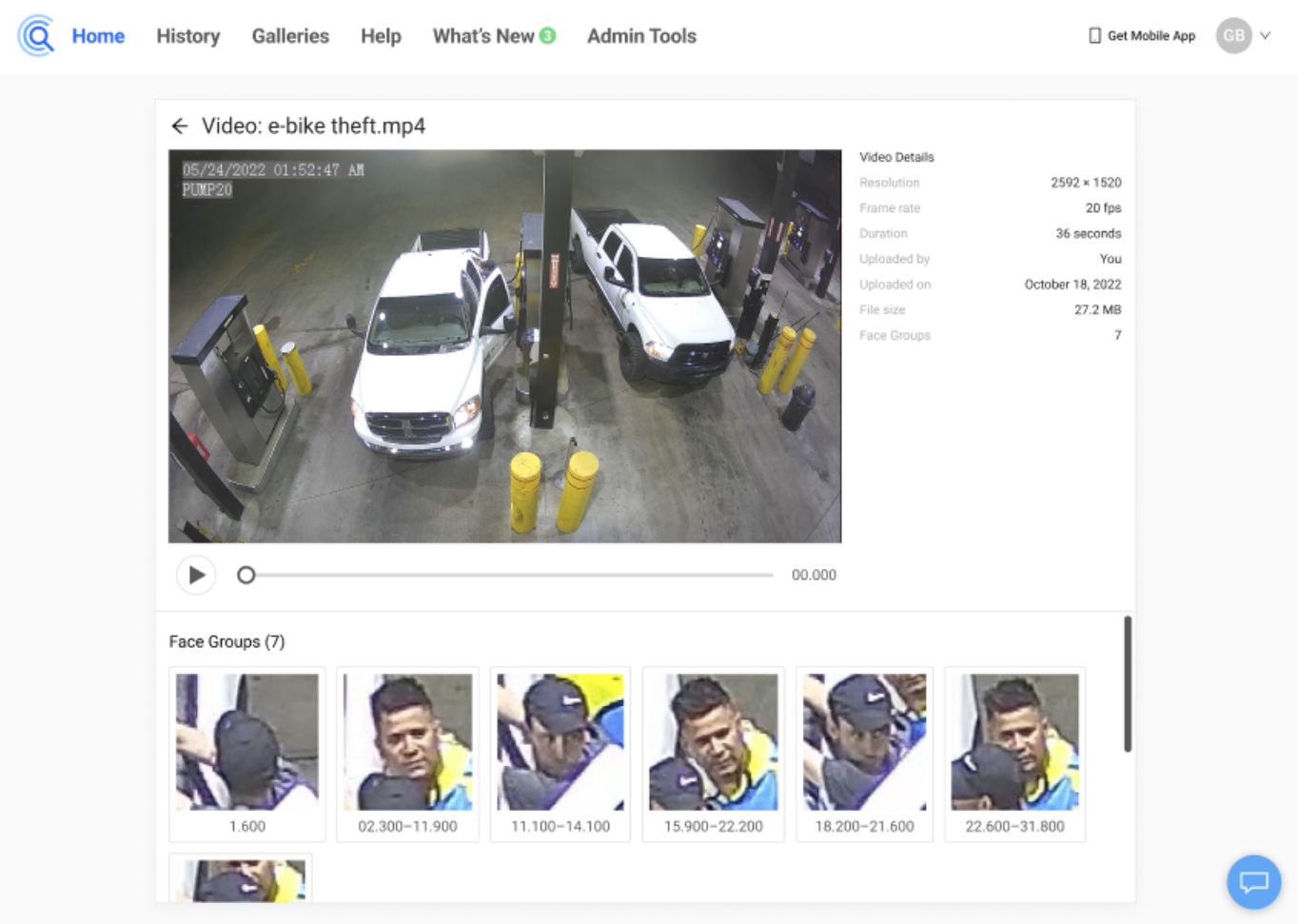
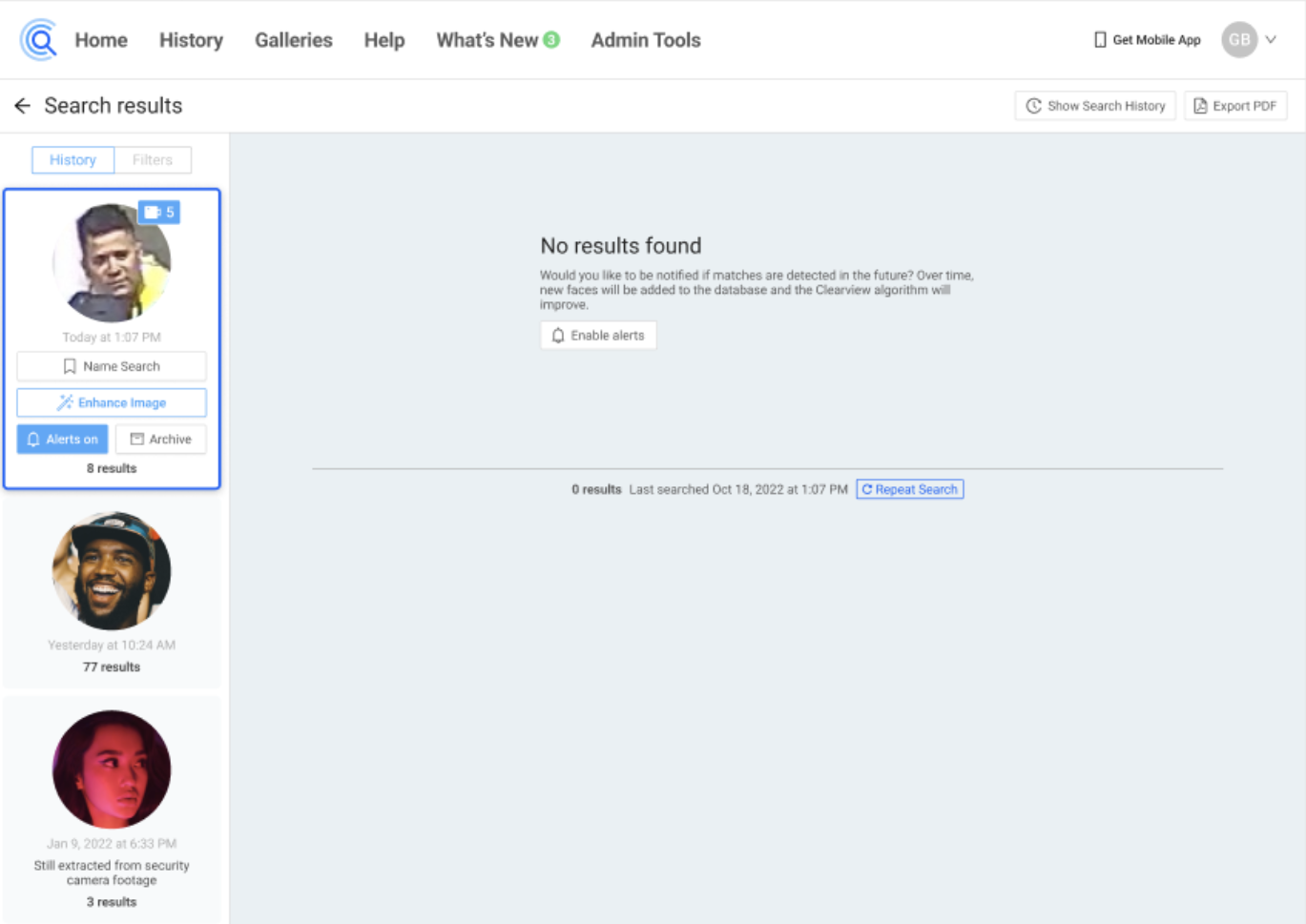
In the field
Solution and scope
- Product and engineering organization and operating model
- Platform vision, roadmap, and execution
- Investigative and mobile field-identification workflows
- Algorithm, vector search, and evaluation partnership with ML engineering
- Global public-web data acquisition strategy
- First developer API program
- Release management and go-to-market practices
Focus areas
- Computer vision
- Vector search
- Mobile
- Developer API
- NIST FRTE
- Agile / Scrum